

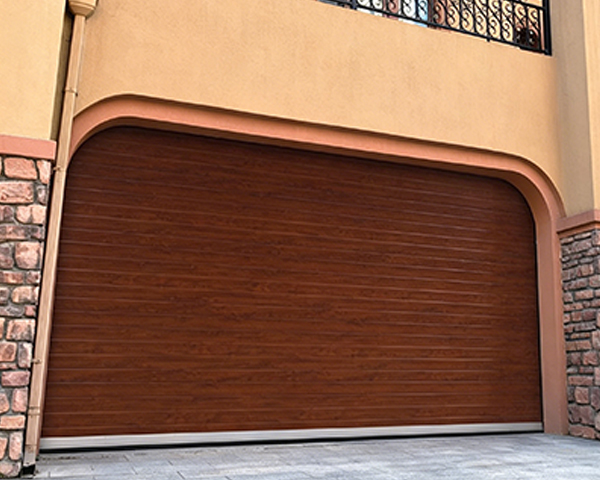
Industrial workshop rapid stacking door solutions are designed for facilities that need fast access, reliable separation,
and efficient space utilization in high-traffic environments. These doors combine rapid opening performance with a stacking
curtain or panel system that lifts and gathers neatly above the opening, helping workshops improve workflow, reduce energy
loss, and maintain cleaner, safer indoor conditions. In manufacturing plants, logistics zones, maintenance workshops, and
large service bays, rapid stacking doors are increasingly used as a practical alternative to conventional industrial doors.
This page provides a detailed, SEO-friendly overview of industrial workshop rapid stacking door solutions, including
definitions, core features, operational benefits, common materials, technical specifications, application scenarios, and
selection guidance. The content below is written for general industry use and does not include specific company recommendations.
It can be inserted directly into an HTML page for a blog article, category page, or industry landing page.
An industrial workshop rapid stacking door is a high-performance door system built for frequent opening and closing in
demanding work environments. Unlike standard sectional doors or rolling shutters, a rapid stacking door uses a flexible or
semi-rigid curtain that rises quickly and stacks into compact folds above the opening. This structure allows the door to
clear the opening with minimal delay while reducing obstruction in the workshop area.
The term rapid stacking door refers to the stacking mechanism that organizes the door panels or curtain into
a compact overhead formation during opening. The result is a door solution that supports fast throughput, improved logistics,
and more efficient separation between zones. In industrial workshops, this is especially valuable where material handling,
vehicle movement, equipment transport, and temperature control are all important.
Workshops often contain multiple operational zones, including production areas, storage rooms, repair bays, loading points,
painting rooms, cleaning stations, and technical service sections. Each zone may require controlled access and fast movement.
Standard doors can become a bottleneck when traffic is frequent. Industrial workshop rapid stacking door solutions address
this challenge by combining speed, durability, and space efficiency.
For workshops that operate in multiple shifts or rely on constant internal transport, rapid stacking doors can significantly
improve operational efficiency. They are particularly useful where access speed and reliability are more important than the
slower cycle times of conventional heavy-duty door systems.
Choosing industrial workshop rapid stacking door solutions offers several practical and economic benefits. These advantages
apply across many industrial sectors, including automotive repair, precision manufacturing, machine assembly, metalworking,
warehousing, and large technical workshops.
One of the main advantages of a rapid stacking door is its high operating speed. Fast cycle times help maintain operational
continuity and reduce the time that the opening remains exposed. In busy workshops, this can improve productivity and reduce
bottlenecks at internal and external access points.
Workshops often require controlled indoor temperatures, especially where sensitive equipment, adhesives, coatings, or precision
processes are involved. A rapid stacking door helps reduce air exchange by limiting the time the opening stays open. This can
support HVAC efficiency and lower energy waste.
Many industrial workshops must keep dust, particles, fumes, or airborne contaminants away from production areas. Rapid stacking
door solutions create a faster barrier between spaces, helping reduce contamination transfer. This is particularly important in
finishing rooms, fabrication zones, and clean technical areas.
The stacking design means the door occupies less usable side space than some sliding or swinging systems. In workshops where
every meter matters, this compact overhead stacking format helps preserve valuable wall and floor area for tools, storage,
equipment, and safe passage.
Industrial workshop rapid stacking door solutions are typically engineered for repetitive use. Reinforced fabrics, aluminum
profiles, robust guides, and industrial-grade drive systems help ensure long service life under demanding conditions.
Modern rapid stacking doors can be equipped with photoelectric sensors, emergency stop systems, motion detection, warning
beacons, and access control integration. These features help reduce collision risk and support safer workshop traffic flow.
Industrial workshop rapid stacking door solutions are used in a wide range of settings. Their versatility makes them suitable
for internal partitions and external openings alike. Below are common use cases across industrial facilities.
| Application Area | Typical Use | Main Benefit |
|---|---|---|
| Manufacturing workshops | Separating production zones and material flow areas | Improved workflow and contamination control |
| Maintenance bays | Fast entry for vehicles, tools, and service equipment | Reduced waiting time and better access efficiency |
| Loading and unloading areas | Internal or external logistics transfer points | Faster turnover and energy retention |
| Metalworking shops | Segregating grinding, cutting, and welding zones | Dust and spark containment support |
| Painting and finishing rooms | Controlling airflow and contamination | Cleaner process environment |
| Automotive workshops | Service entrances and internal bay access | Fast vehicle movement and safer operations |
| Warehouse-linked workshop zones | Connecting storage and production areas | Efficient material transfer |
A rapid stacking door works through a powered drive mechanism that raises the door curtain or panel set along side guides and
gathers it into stacked folds or sections. The opening sequence is designed for smooth lifting and compact collection, while
the closing sequence lowers the curtain quickly and securely back into the sealed position.
Depending on the design, the door may use:
The key functional idea is simple: the door should open quickly, stack compactly, and close reliably. This combination makes
rapid stacking door solutions especially suitable for workshops that cannot afford long delays at access points.
Industrial workshop rapid stacking door solutions can vary by design, but many share common technical features that support
durability, operational speed, and safety. Understanding these features helps facility managers evaluate suitability for
specific workshop needs.
| Technical Feature | Typical Description | Operational Value |
|---|---|---|
| Opening speed | Designed for rapid cycle performance | Reduces waiting time and traffic congestion |
| Door structure | Flexible curtain or stacked panel design | Compact overhead storage and efficient movement |
| Drive system | Motorized industrial actuator | Stable operation and repeatable cycles |
| Control method | Push button, radar, pull cord, remote, or access system | Flexible operation modes for different workflows |
| Safety system | Photo cells, edge protection, emergency stop | Supports safe personnel and vehicle movement |
| Sealing performance | Perimeter seals and bottom sealing options | Helps limit air leakage and dust infiltration |
| Cycle durability | Engineered for frequent daily use | Suitable for busy industrial environments |
Material selection has a major impact on performance, maintenance, visibility, and environmental resistance. The right material
depends on workshop conditions, traffic intensity, and exposure to dust, moisture, chemicals, or impact risk.
Reinforced flexible curtains are common in high-speed door systems. They are lightweight, allow fast movement, and can include
internal reinforcement for strength. This option is often suitable where speed, sealing, and visibility are priorities.
Aluminum elements may be used to add structural stability while maintaining relatively low weight. They help the door retain
shape during frequent operation and can improve overall durability.
Transparent or semi-transparent vision sections can improve visibility between workshop zones. This is helpful in busy
facilities where forklift traffic and pedestrian safety need better line-of-sight.
In heavy-duty workshops, steel framing and support components may be used for additional impact resistance and long-term
structural strength. These are especially useful in demanding industrial settings.
Perimeter seals, brush strips, and bottom gaskets help improve containment performance. In some cases, insulation layers may
be included to support thermal performance and acoustic reduction.
The following table shows a general specification overview for industrial workshop rapid stacking door solutions. Actual values
vary by door design, opening size, and operational requirements.
| Specification Item | General Range / Description |
|---|---|
| Door type | Rapid stacking industrial door |
| Application | Workshop entrances, internal partitions, logistics passages |
| Opening method | Motorized vertical stacking or lifting sequence |
| Operation frequency | High-cycle use designed for frequent daily operation |
| Structure materials | Reinforced fabric, aluminum profiles, steel components |
| Safety devices | Photo sensors, emergency stop, obstacle detection |
| Control options | Button control, motion sensor, remote access, PLC integration |
| Environmental functions | Dust control, air separation, temperature retention |
| Visibility options | Window sections or transparent panels |
| Maintenance level | Regular inspection, cleaning, and mechanism checks |
Selecting the right industrial workshop rapid stacking door solution requires careful consideration of operational conditions.
A door that performs well in a clean assembly room may not be the same as the ideal choice for a fabrication bay or a dusty
maintenance area. The most important factors include opening size, traffic volume, exposure level, and workflow speed.
Large entrances and frequent opening cycles usually require more robust drive systems and stronger structural support. The
larger and busier the opening, the more important speed, reliability, and cycle durability become.
A workshop that mainly handles pedestrian movement has different requirements from one that sees forklifts, pallet trucks, or
service vehicles. The door design should match the traffic type, impact risk, and visibility requirements.
Dust, moisture, heat, low temperatures, and chemical exposure all affect door performance. Materials and seals should be
selected with the workshop environment in mind.
Some workshops need only basic separation, while others require strong dust control, thermal retention, or acoustic reduction.
The sealing system should match the function of the opening.
Many industrial workshop rapid stacking door solutions can be integrated with smart controls, access systems, and production
automation. This can improve speed and reduce manual handling.
Safety is one of the biggest reasons facilities invest in rapid stacking door systems. Workshop environments often combine
machines, moving vehicles, tools, and personnel in limited space. A properly designed door can help reduce hazards by
controlling movement and improving visibility.
In addition to direct safety features, rapid stacking doors also improve operational discipline by defining clear movement paths
and reducing unnecessary exposure between zones.
Industrial workshop rapid stacking door solutions can contribute to energy efficiency by minimizing uncontrolled air exchange.
When a door opens quickly and closes promptly, conditioned air is less likely to escape, and outdoor air has less time to enter.
This is useful in summer and winter, especially in buildings with heating, cooling, or humidity control requirements.
Energy efficiency benefits may include:
In workshops with sensitive production conditions, temperature stability can be just as important as access speed. Rapid stacking
door solutions support both priorities at the same time.
Like all industrial doors, rapid stacking systems require regular maintenance to keep them operating safely and efficiently.
Routine service helps extend product life, reduce downtime, and preserve sealing and motion performance.
| Maintenance Item | Typical Purpose |
|---|---|
| Visual inspection | Check for wear, damage, or loose components |
| Guide cleaning | Remove dust and debris from movement paths |
| Sensor testing | Verify safety and obstacle detection functions |
| Motor and drive check | Confirm consistent operating performance |
| Seal inspection | Maintain closure quality and environmental separation |
| Fastener tightening | Prevent vibration-related loosening |
| Curtain or panel review | Identify tears, bends, or impact damage |
Preventive maintenance is especially important in high-cycle workshop environments. Because rapid stacking doors are used
frequently, small issues can grow into operational delays if they are not addressed early.
Choosing the best solution begins with a clear understanding of the workshop’s operational needs. Rather than focusing only on
door speed, decision-makers should evaluate performance as a complete system.
A well-matched door solution can support workshop productivity for years. The goal is not only to open quickly, but to fit the
facility’s movement patterns, environmental conditions, and safety expectations.
If you are building an industrial page, category page, or blog article, the following search phrases are highly relevant to
this topic. Using them naturally within headings, body text, FAQs, and specifications may help search visibility:
For SEO purposes, it is usually beneficial to place the primary keyword in the main heading, one or more subheadings, the
introduction, and naturally throughout the article. Supporting terms such as industrial door, workshop access, rapid opening,
stacking mechanism, safety sensor, and environmental separation help strengthen topical relevance.
In many industrial applications, rapid stacking doors are paired with additional functions that improve usability and control.
These features help the door system adapt to busy workshop workflows.
| Feature | Benefit |
|---|---|
| Automatic closing timer | Reduces the time the opening remains exposed |
| Motion activation | Improves convenience and speed of operation |
| Interlock control | Coordinates multiple doors or controlled zones |
| Transparent vision sections | Improves line-of-sight and traffic awareness |
| Manual override | Provides access during power interruption or service conditions |
| Programmable logic control | Supports advanced automation and industrial integration |
Industrial workshop rapid stacking door solutions provide a practical combination of speed, durability, safety, and space
efficiency. They are suitable for workshops that need fast access, reliable separation between work zones, and improved
control over temperature, dust, and traffic movement. By using a compact stacking design and industrial-grade operating
components, these doors help support efficient workflows in a wide range of manufacturing and service environments.
Whether used at a loading entrance, internal partition, service bay, or production area, a rapid stacking door can improve
daily operations while helping reduce energy loss and support safer movement. For facilities that rely on frequent door
cycles and clear zone management, industrial workshop rapid stacking door solutions remain one of the most effective access
options available.
```
Shenyang Manlong Metal Ürünleri Co, Ltd


Telif Hakkı © 2026 Shenyang Manlong Metal Products Co., Ltd. Tüm hakları saklıdır. Uygulamalar
Bu web sitesi, web sitemizde en iyi deneyimi yaşamanızı sağlamak için çerezleri kullanır.

 English
 Español
 Portugues
 Pусский
 Français
 Deutsch
 العربية
 ไทย
ไทย Tiếng Việt



 Telefon
Yorum
(0)