

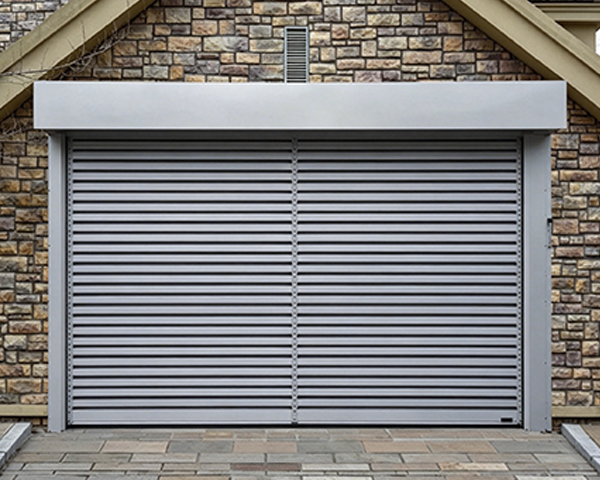
Flexible gate systems for industrial and commercial use are modern access control solutions designed to manage entry, improve safety, and support efficient traffic flow in warehouses, factories, logistics centers, retail sites, parking facilities, and other high-traffic environments. Built to combine durability, visibility, adaptability, and ease of operation, these gate systems are widely used where security and workflow control must be balanced with fast access and dependable performance.
Unlike rigid access barriers, flexible gate systems are designed to absorb impact, reduce damage, and provide reliable operation in demanding environments. They are often selected for their ability to create secure boundaries without interrupting workflow. Whether used for pedestrian protection, vehicle segregation, loading bay management, or restricted access zones, flexible gate systems offer a practical and cost-effective solution for many industrial and commercial applications.
This guide provides an in-depth overview of flexible gate systems, including definitions, common types, key advantages, typical specifications, application areas, installation considerations, material options, maintenance factors, and selection criteria. The information below is written for general industry use and can be adapted for blog content, category pages, service pages, directory pages, and SEO-focused website sections.
Flexible gate systems are access control barriers engineered to provide controlled entry and exit while offering a degree of flexibility, impact absorption, or adaptive movement. In industrial and commercial settings, these systems are used to protect people, property, and equipment while supporting operational efficiency. The term flexible gate systems may refer to physical gate assemblies made from resilient materials, modular gate structures, retractable barriers, swing gates with impact resistance, or specialized gate mechanisms designed for frequent use.
The defining feature of a flexible gate system is its ability to withstand regular traffic and incidental contact better than conventional fixed gates. Instead of becoming easily damaged by impact or high cycle usage, flexible systems are often constructed using reinforced polymers, coated steel, aluminum, composite materials, or hybrid assemblies. Some systems are designed to bend, flex, or rebound after contact, while others are designed for ergonomic movement, modular adjustment, or easy reconfiguration.
In practice, flexible gate systems are used to establish controlled pathways, protect sensitive areas, and maintain compliance with workplace safety standards. They may serve as perimeter gates, internal access gates, pedestrian access points, machine guards, warehouse aisle barriers, or temporary access control solutions. Their versatility makes them suitable for both permanent and semi-permanent installations.
Industrial and commercial environments require access solutions that can handle continuous use, changing traffic patterns, and strict safety requirements. Flexible gate systems are important because they help organizations maintain order, reduce collisions, and protect valuable assets without sacrificing productivity. In many facilities, traffic includes forklifts, pallet trucks, service carts, delivery vehicles, employees, and visitors, all moving through the same space. A well-designed flexible gate system can help separate these flows and improve site safety.
Flexible gate systems also support operational efficiency. By clearly defining access points, they reduce confusion, streamline movement, and help staff understand where entry is allowed or restricted. This can be especially useful in warehouses, loading docks, production areas, storage zones, and commercial back-of-house environments.
Another major benefit is durability. Traditional gates may require frequent repair after repeated use or incidental impact. Flexible gate systems are often engineered to reduce maintenance costs by absorbing stress and minimizing permanent damage. This can lower downtime and improve long-term return on investment.
Flexible gate systems are widely used across many industries because they adapt to different site layouts and access needs. Below are some of the most common applications.
| Application Area | Typical Use | Key Benefit |
|---|---|---|
| Warehouses | Control forklift routes, pedestrian access, and storage zone entry | Improved traffic separation and safety |
| Manufacturing Plants | Restrict access to production lines, equipment zones, and hazardous areas | Better compliance and protection |
| Distribution Centers | Manage dock access, vehicle movement, and loading bay safety | Efficient flow and reduced collision risk |
| Commercial Properties | Control staff-only areas, service entrances, and customer access points | Enhanced security and organization |
| Parking Facilities | Guide entry and exit while maintaining vehicle control | Clear traffic management |
| Retail Back-of-House Areas | Restrict unauthorized access to inventory and staff spaces | Improved asset protection |
| Logistics and Freight Terminals | Separate heavy vehicle movement from pedestrian pathways | Safer high-volume operations |
| Public Facilities | Manage service zones, maintenance access, and restricted sections | Better crowd and access control |
These applications demonstrate the wide utility of flexible gate systems in environments where access control must remain dependable, practical, and easy to maintain.
Flexible gate systems come in several forms, depending on the intended use, traffic level, and site conditions. Understanding the available gate types helps buyers and facility managers select the best option for their environment.
Swing flexible gates are designed to open inward or outward on hinges. They are common in pedestrian entrances, service zones, and controlled access points. These gates may feature impact-resistant materials or flexible mounting systems that help them withstand repeated use.
Retractable gates can be extended or collapsed as needed, making them useful for temporary access control, maintenance areas, and adaptable workspaces. They are often favored in facilities that require quick changes to traffic routes or restricted zones.
Modular systems are built from interchangeable parts and can be configured to match site dimensions or operational requirements. Their flexibility makes them ideal for evolving industrial layouts, warehouse expansions, or custom safety barriers.
Impact-absorbing gates are engineered to reduce damage from collisions. These are particularly valuable in areas with forklift traffic or heavy equipment movement. The structure may bend, flex, or dissipate force to protect both the gate and surrounding infrastructure.
Barrier-style designs are used to control access across a wider opening, often with a simplified open-and-close operation. They may be manual or automated, depending on the site’s traffic and security needs.
These gates are used to protect employees from hazardous zones or moving machinery. They are commonly found near platforms, elevated walkways, machinery entrances, and restricted production areas.
Flexible gate systems offer multiple benefits for industrial and commercial use. Their value goes beyond basic access control because they contribute to safety, efficiency, durability, and site organization.
| Benefit | Description | SEO-Relevant Value |
|---|---|---|
| Improved Safety | Helps separate pedestrians, vehicles, and restricted areas | Industrial safety gate systems |
| Durability | Designed to resist impact, wear, and repeated operation | Heavy-duty flexible gates |
| Traffic Control | Directs movement and improves workflow organization | Commercial access control gates |
| Reduced Maintenance | Lower repair frequency compared with rigid systems in demanding environments | Low-maintenance gate systems |
| Versatility | Suitable for many industries, layouts, and opening sizes | Flexible industrial gate solutions |
| Space Efficiency | Supports controlled access without excessive footprint | Space-saving gate systems |
| Compliance Support | Can assist with workplace safety and access management requirements | Safety compliance gate options |
| Long-Term Value | Offers a strong return on investment through durability and reduced downtime | Cost-effective access gate systems |
These benefits make flexible gate systems a strong choice for sites that require high performance, frequent access, and reliable protection. Businesses often choose them when they need a balance between security and operational flexibility.
The materials used in flexible gate systems play an important role in performance, durability, and resistance to environmental conditions. Common material choices include the following.
Steel is widely used for industrial gate systems because of its strength and structural reliability. Galvanized or powder-coated steel can provide strong corrosion resistance and long service life.
Aluminum offers a lighter-weight alternative while maintaining good durability. It is often selected for commercial access gates where ease of movement and corrosion resistance are important.
Reinforced polymer materials are popular in flexible gate designs because they can absorb impact and resist harsh operating conditions. They are frequently used in safety-focused gate systems.
Composite materials combine multiple substances to improve strength, flexibility, and environmental resistance. They are often selected for specialized applications requiring a balance of performance and resilience.
Coatings such as powder coating, galvanization, or corrosion-resistant finishes help extend the life of the gate system. These coatings are especially important in outdoor, humid, or chemically exposed environments.
When evaluating flexible gate systems for industrial or commercial use, several features should be considered to ensure suitability for the site. These features affect performance, safety, and maintenance requirements.
| Feature | Why It Matters |
|---|---|
| Gate Width | Must match the opening size and expected traffic type |
| Gate Height | Determines access control level and visibility |
| Opening Mechanism | Affects usability, speed, and safety |
| Impact Resistance | Important for environments with forklifts or carts |
| Corrosion Resistance | Essential for outdoor or demanding environments |
| Locking Options | Supports secure access control |
| Automation Compatibility | Allows integration with access control systems |
| Visibility Design | Improves safety and traffic awareness |
| Maintenance Access | Helps reduce service time and operational disruption |
| Installation Method | Impacts cost, stability, and long-term reliability |
A well-selected flexible gate system should be matched to both current needs and future site changes. For example, a warehouse may need a gate system that can adapt as storage patterns change or as equipment traffic increases.
Specifications vary by product type and application, but the table below provides a general reference for common flexible gate system ranges used in industrial and commercial environments.
| Specification | Typical Range | Notes |
|---|---|---|
| Gate Width | 0.8 m to 6 m+ | Depends on pedestrian or vehicle access requirements |
| Gate Height | 1 m to 2.5 m | Higher gates may be used for security or restricted zones |
| Material | Steel, aluminum, polymer, composite | Selected based on durability and environment |
| Finish | Powder-coated, galvanized, painted, corrosion-resistant coating | Improves service life and appearance |
| Operation Type | Manual, semi-automatic, automatic | Chosen according to traffic volume and security level |
| Use Environment | Indoor, outdoor, mixed-use | Environmental exposure affects design selection |
| Impact Resistance | Standard to high | Important in forklift and vehicle zones |
| Security Level | Basic, medium, high | Depends on access control and locking requirements |
| Maintenance Frequency | Low to moderate | Varies with usage intensity and environmental conditions |
| Customization | Available | Can include size, finish, operation, and accessories |
Workplace safety is one of the strongest reasons to install flexible gate systems. In industrial and commercial environments, accidents often happen when traffic paths are unclear or when workers enter restricted areas without proper barriers. Flexible gates help define movement, reduce uncertainty, and improve compliance with safety procedures.
By separating pedestrians from vehicles, flexible gate systems reduce the likelihood of collisions and near misses. In areas where forklifts or carts operate, a visible, well-placed gate creates a physical and psychological barrier that encourages proper routing. In machinery zones, gates help prevent unauthorized access and reduce exposure to moving parts, fall hazards, or operational risks.
Flexible gate systems also support safety by improving visibility. Many systems are designed with bright colors, reflective elements, or open-frame structures that make them easy to see. This visibility is particularly useful in busy facilities where workers must react quickly to changing conditions.
For sites that require controlled entry, flexible gates can be part of a broader safety strategy that includes signage, floor markings, barriers, sensors, and access control equipment. Used together, these elements create a safer and more organized environment.
While traditional rigid gates remain common in many settings, flexible gate systems offer advantages in high-traffic or impact-prone environments. The comparison below highlights the main differences.
| Category | Flexible Gate Systems | Traditional Rigid Gates |
|---|---|---|
| Impact Handling | Better at absorbing or resisting contact | More likely to deform or break under impact |
| Maintenance | Often lower maintenance over time | May require more frequent repair |
| Adaptability | Can be modular or adjustable | Usually fixed in shape and function |
| Traffic Use | Suitable for dynamic, frequent-use environments | Better for controlled, lower-impact areas |
| Safety Value | Strong for pedestrian and vehicle separation | Effective, but less forgiving in busy zones |
| Long-Term Cost | Often cost-effective due to durability | May have higher repair and replacement costs |
The right choice depends on the site’s operating conditions. In environments with frequent movement, accidental contact, or changing access requirements, flexible gate systems often provide a better overall solution.
Proper installation is essential for the performance and lifespan of flexible gate systems. The first step is to evaluate the site layout, traffic flow, and access needs. Gate placement should support both security and usability while allowing safe movement for people and equipment.
Mounting surface quality is another important consideration. Gates should be installed on stable foundations or structural supports that can handle repeated operation and any impact loads expected in the area. If the gate is exposed to weather, corrosion resistance and drainage conditions should also be reviewed.
In some installations, integration with access control systems may be needed. This may include key locks, electronic controls, card readers, sensors, or automatic opening mechanisms. For these systems, compatibility should be confirmed before installation.
It is also important to consider clearance and swing space. Even flexible gates require enough room for operation without interference from walls, equipment, storage racks, or pedestrian pathways. A well-planned installation reduces operational issues and improves safety.
Flexible gate systems are often chosen for their low-maintenance properties, but regular inspection and care are still important. Routine checks help ensure that hinges, mounts, locking components, and surfaces remain in good condition.
Maintenance tasks may include checking for wear, tightening fasteners, cleaning moving parts, inspecting coatings, and confirming proper alignment. In environments with dust, moisture, or chemical exposure, more frequent inspection may be necessary.
For impact-resistant systems, it is important to look for signs of deformation, surface cracking, or stress fatigue. Even if the gate continues to function after minor contact, repeated impact can reduce performance over time. Addressing small issues early can extend the useful life of the system and reduce unexpected downtime.
Lifecycle care should also include reviewing whether the gate still meets operational needs. If traffic volume, equipment size, or site layout changes, the system may need adjustment or expansion. Modular flexible gate systems are particularly useful because they can often be reconfigured without full replacement.
The cost of flexible gate systems can vary significantly depending on design, material, size, and features. While prices should always be evaluated according to project-specific requirements, the main cost factors generally include:
Although a more advanced flexible gate system may have a higher upfront cost, it may reduce long-term expenses by lowering maintenance, replacement, and downtime. This is especially important in industrial and commercial facilities where operational interruption can be costly.
Selecting the right flexible gate system requires a clear understanding of site conditions and access goals. Start by identifying whether the main need is security, safety, traffic management, or a combination of these objectives. Then consider who will use the gate, how often it will be used, and what type of traffic it must accommodate.
For example, pedestrian-only access points may require a lightweight, highly visible gate with basic locking features. A forklift zone, on the other hand, may need a heavy-duty flexible gate with high impact resistance and reinforced mounting. Outdoor applications may require corrosion-resistant materials and weatherproof coatings, while indoor systems may prioritize movement speed and space efficiency.
Businesses should also consider future growth. If the site is likely to expand or change layout, a modular or adjustable flexible gate system may provide better long-term value. In addition, integration with existing safety barriers, signage, and access controls should be reviewed for a complete facility solution.
To support search visibility, content related to flexible gate systems often includes keyword phrases that reflect industrial and commercial demand. Examples include:
Using these phrases naturally throughout the page can help search engines better understand the topic while keeping the content relevant for readers looking for industrial gate solutions, commercial access control, and safety-focused gate systems.
The checklist below summarizes the most common specification points that buyers, facility managers, and project planners review when evaluating flexible gate systems.
| Checklist Item | Review Question |
|---|---|
| Opening Size | Does the gate fit the required access width? |
| Traffic Type | Is the gate suitable for pedestrians, carts, or vehicles? |
| Material Durability | Can the gate withstand the site environment? |
| Impact Resistance | Will the gate perform well in contact-prone areas? |
| Security Needs | Does the gate offer the required access control level? |
| Installation Conditions | Is the structure ready for safe and stable mounting? |
| Maintenance Access | Can the gate be inspected and serviced easily? |
| Integration | Can it work with current access control or safety systems? |
| Environment | Is the gate suitable for indoor or outdoor use? |
| Future Flexibility | Can the system adapt to future layout changes? |
Flexible gate systems for industrial and commercial use provide a practical, durable, and safety-focused approach to access control. They help organizations manage traffic, reduce risk, protect assets, and maintain efficient operations in a wide range of environments. From warehouses and factories to retail support areas and logistics hubs, these gate systems deliver a strong balance of flexibility, strength, and long-term value.
By understanding the types, materials, benefits, specifications, and installation factors associated with flexible gate systems, businesses can make informed decisions that support both productivity and workplace safety. Whether the goal is to control access, improve site organization, or reduce maintenance costs, flexible gate systems remain a reliable solution for modern industrial and commercial facilities.
```
Shenyang Manlong Metal Ürünleri Co, Ltd


Telif Hakkı © 2026 Shenyang Manlong Metal Products Co., Ltd. Tüm hakları saklıdır. Uygulamalar
Bu web sitesi, web sitemizde en iyi deneyimi yaşamanızı sağlamak için çerezleri kullanır.

 English
 Español
 Portugues
 Pусский
 Français
 Deutsch
 العربية
 ไทย
ไทย Tiếng Việt



 Telefon
Yorum
(0)