

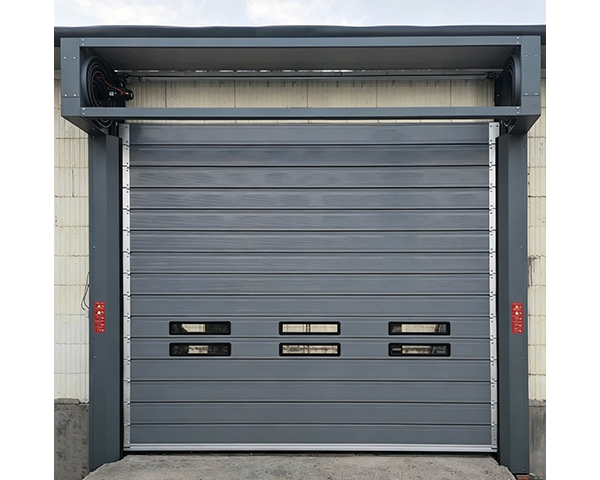
Industrial facilities operating in demanding conditions require door systems that can withstand constant use, extreme weather, moisture, dust, temperature fluctuations, chemical exposure, high wind loads, and frequent impact. For these applications, durable industrial door solutions for harsh environments are not just a convenience—they are a critical part of safety, productivity, energy control, and facility protection. Whether the setting is a warehouse, manufacturing plant, cold storage facility, food processing site, mining operation, logistics center, marine terminal, or outdoor loading area, the right industrial door helps keep operations running smoothly and reliably.
In harsh environments, ordinary doors often fail because they are not designed for continuous heavy-duty operation. Hinges wear out, seals degrade, panels corrode, and opening mechanisms become unreliable under pressure. By contrast, industrial doors built for harsh environments are engineered with robust materials, reinforced construction, weather-resistant finishes, and advanced sealing systems. These features help extend service life, reduce maintenance, improve safety, and protect valuable assets inside the facility.
This guide provides a complete, SEO-friendly overview of durable industrial door solutions for harsh environments, including definitions, key benefits, common types, essential specifications, material choices, performance factors, selection guidance, and maintenance considerations. The information below is written for use in blogs, category pages, industrial landing pages, and product education content.
Durable industrial door solutions for harsh environments are specialized door systems designed to perform reliably in demanding operational conditions where standard commercial doors would quickly deteriorate. These doors are typically used in industrial and commercial facilities that require long-term performance despite exposure to heavy traffic, moisture, salt air, chemicals, abrasive dust, strong winds, temperature extremes, or repeated mechanical stress.
The term covers a wide range of door configurations, including high-speed doors, sectional overhead doors, rolling steel doors, insulated doors, fire-rated industrial doors, cold storage doors, and impact-resistant doors. While each type serves a different purpose, they all share the same core objective: to maintain structural integrity and consistent function in difficult environments.
A truly durable industrial door solution combines strong materials, corrosion resistance, operational reliability, thermal performance, and safety features. In harsh environments, the door must do more than open and close. It must protect the building envelope, support workflow efficiency, reduce energy loss, and minimize unplanned downtime.
Harsh environments place unique demands on door systems. High humidity can accelerate rust. Chemical fumes can weaken finishes. Dust and debris can interfere with tracks and moving parts. Temperature extremes can cause seals to crack or panels to warp. Strong winds can increase operating stress. Frequent forklift traffic can create repeated impact. All of these conditions shorten the lifespan of ordinary doors.
Specialized industrial doors are designed to solve these problems through engineering and material selection. For example, stainless steel components improve corrosion resistance, high-cycle hardware supports repeated opening and closing, reinforced frames improve structural stability, and insulated door panels help control temperature in climate-sensitive areas.
In industrial operations, a door failure can create more than a maintenance issue. It can interrupt workflows, compromise safety, increase energy consumption, allow contaminants to enter, or expose products and equipment to environmental damage. That is why durable industrial door solutions are considered essential infrastructure in harsh environments.
Choosing the right industrial door for a harsh environment provides multiple operational and financial advantages. Below are the main benefits facility owners and managers typically seek.
| Benefit | Description | Operational Value |
|---|---|---|
| Long Service Life | Built with reinforced components and corrosion-resistant materials for extended use. | Reduces replacement frequency and lifecycle cost. |
| Environmental Protection | Helps block wind, rain, dust, humidity, and contaminants. | Protects products, machinery, and interior conditions. |
| Energy Efficiency | Insulated panels and tight sealing reduce air leakage and heat transfer. | Lowers heating and cooling loss, especially in temperature-controlled facilities. |
| Operational Reliability | Engineered for repeated cycles and difficult conditions. | Minimizes downtime and supports continuous workflow. |
| Safety Improvement | May include safety edges, sensors, impact resistance, and controlled operation systems. | Reduces the risk of injury, accidents, and equipment damage. |
| Low Maintenance | Designed for easier cleaning, less wear, and reduced service needs. | Helps cut maintenance labor and repair costs. |
| Compliance Support | Can be specified to align with industry safety, fire, sanitation, and energy standards. | Helps facilities meet operational and regulatory requirements. |
Different harsh environments require different door configurations. The most suitable solution depends on the facility’s temperature, traffic flow, exposure level, space constraints, and safety needs.
High-speed industrial doors are designed for rapid opening and closing, making them ideal for facilities where airflow control, cleanliness, and traffic efficiency are important. They are commonly used in warehouses, cold storage areas, food processing spaces, and logistics facilities. Their fast cycle speed helps minimize temperature loss, reduce contamination risk, and improve productivity.
Sectional overhead doors are popular for loading bays, manufacturing buildings, and distribution centers. They open vertically in sections, saving space while offering good insulation and structural strength. When built with durable materials and weather seals, they perform well in demanding industrial conditions.
Rolling steel doors are known for their compact storage and rugged construction. They are commonly selected for security-sensitive or high-traffic industrial areas. Their ability to resist impact and harsh outdoor conditions makes them a practical option for many industrial facilities.
Insulated industrial doors are used where temperature control is important. These doors help reduce heat transfer and are especially valuable in refrigerated warehouses, food production facilities, and climate-sensitive storage spaces.
Fire-rated industrial doors are designed to slow the spread of fire and smoke between zones. They are often installed in facilities where safety, compartmentalization, and code compliance are critical.
Impact-resistant industrial doors are built to handle contact with forklifts, carts, pallets, and other equipment. They are useful in busy environments where collisions are more likely.
Certain facilities need doors tailored to specific environmental challenges, such as corrosion-resistant doors for coastal areas, washdown doors for sanitary zones, or wind-rated doors for exposed outdoor openings.
Material selection is one of the most important factors in determining whether a door will last in a harsh environment. The best materials depend on the type of exposure, required strength, and cleaning conditions.
| Material | Common Use | Advantages | Typical Harsh Environment Fit |
|---|---|---|---|
| Galvanized Steel | Frames, panels, hardware | Strong, cost-effective, corrosion-resistant when coated properly | General industrial environments, warehouses, loading zones |
| Stainless Steel | Panels, hinges, fasteners, hardware | Excellent corrosion resistance, easy to clean, durable | Food processing, chemical areas, coastal facilities, washdown zones |
| Aluminum | Lightweight frames, door slats, sections | Lightweight, corrosion-resistant, easy to operate | High-cycle openings, humid environments, light industrial use |
| Reinforced PVC / Fabric | High-speed roll-up doors | Flexible, fast-operating, impact-tolerant, low maintenance | Warehouses, clean zones, temperature-controlled areas |
| Polyurethane Insulated Panels | Insulated sectional doors | Strong thermal performance, energy efficiency | Cold storage, processing plants, temperature-sensitive facilities |
| Composite Materials | Specialty doors and components | Can combine strength, insulation, and corrosion resistance | Customized harsh environment applications |
When comparing durable industrial door solutions, it is important to look beyond appearance and focus on measurable specifications. These performance attributes determine whether a door can withstand the real conditions of the site.
| Specification | What It Means | Why It Matters |
|---|---|---|
| Cycle Rating | The number of opening and closing cycles the door can endure. | Important for high-traffic facilities and continuous operations. |
| Wind Resistance | The door’s ability to remain stable under strong wind pressure. | Critical for exterior openings and exposed locations. |
| Corrosion Resistance | Resistance to rust, oxidation, and chemical degradation. | Essential for coastal, humid, and chemical-heavy environments. |
| Thermal Performance | The door’s ability to limit heat transfer. | Reduces energy loss in temperature-controlled buildings. |
| Impact Resistance | Ability to absorb accidental contact without major damage. | Important in forklift-heavy and busy material-handling zones. |
| Ingress Protection | Resistance to dust, water, and contaminants entering through the opening. | Supports cleanliness and equipment protection. |
| Opening Speed | How quickly the door moves during operation. | Helps control air exchange and improve traffic flow. |
| Seal Quality | Effectiveness of perimeter and bottom seals. | Reduces drafts, moisture infiltration, and energy loss. |
| Maintenance Access | Ease of inspecting, cleaning, and servicing components. | Helps reduce downtime and long-term service costs. |
The table below outlines common harsh environment challenges and the industrial door features typically recommended to address them.
| Harsh Condition | Typical Risk | Recommended Door Features |
|---|---|---|
| High humidity | Rust, swelling, seal degradation | Corrosion-resistant hardware, stainless steel parts, sealed finishes |
| Salt air / coastal exposure | Accelerated corrosion and material breakdown | Marine-grade coatings, stainless steel, sealed components |
| Chemical exposure | Surface damage, weakening of coatings and seals | Chemical-resistant finishes, stainless steel, easy-clean surfaces |
| Extreme cold | Seal cracking, ice buildup, thermal loss | Insulated panels, heated accessories, cold-rated seals |
| Extreme heat | Warping, expansion, component fatigue | Heat-resistant materials, stable framing, durable hardware |
| Dust and debris | Track obstruction, wear, contamination | Enclosed mechanisms, tight seals, high-speed operation |
| High wind | Door deflection, failure, energy loss | Wind-rated construction, reinforced slats or panels |
| Forklift traffic | Impact damage and downtime | Impact-resistant panels, automatic reset features, protective guides |
| Frequent cleaning / washdown | Water intrusion and corrosion | Washdown-rated design, stainless steel, sealed edges |
Not all industrial doors are built equally. The most durable industrial door solutions typically include a combination of the following features:
These features work together to create a door system that remains functional and efficient even under punishing conditions. For long-term value, durability should be evaluated as a complete system rather than as a single material or part.
Many industries depend on durable industrial door solutions because their environments naturally expose doors to wear, contamination, moisture, or other challenging conditions.
| Industry | Typical Door Need | Why Durability Matters |
|---|---|---|
| Manufacturing | Heavy-duty, impact-resistant, high-cycle doors | Supports production flow and protects equipment from dust and impact. |
| Warehousing and Logistics | Fast-operating, insulated, and weather-resistant doors | Improves traffic movement and reduces energy loss. |
| Food Processing | Sanitary, easy-to-clean, temperature-controlled doors | Supports hygiene and helps maintain required conditions. |
| Cold Storage | Insulated high-speed or sectional doors | Minimizes temperature leakage and condensation problems. |
| Chemical Processing | Corrosion-resistant specialty doors | Helps resist aggressive exposure and maintain safety. |
| Marine and Coastal Facilities | Rust-resistant, wind-rated doors | Protects against salt air and severe weather. |
| Mining and Heavy Industry | Impact-resistant, rugged industrial doors | Handles dust, vibration, and demanding operational conditions. |
| Pharmaceutical and Clean Facilities | Sealed, hygienic, fast-cycle doors | Supports contamination control and environmental separation. |
| Transportation Hubs | High-cycle, weather-resistant access doors | Maintains security and efficiency in busy operations. |
Selecting the correct durable industrial door solution requires careful evaluation of site conditions, workflow, and long-term maintenance expectations. The best choice is the one that balances performance, durability, safety, and cost-effectiveness.
A door that is overbuilt for the application may add unnecessary cost, while a door that is under-specified may fail prematurely. Proper selection is therefore a key part of maximizing both performance and value.
Before installing durable industrial door solutions for harsh environments, facility managers should review several measurable performance metrics. These metrics help compare different door systems and determine which one is best suited for the job.
| Metric | What to Look For | Impact on Performance |
|---|---|---|
| Daily Cycle Demand | Expected openings and closings per day | Determines motor strength and hardware durability needs |
| Environmental Exposure | Water, dust, salt, chemicals, or heat exposure | Influences material and coating selection |
| Opening Frequency | How often traffic passes through the doorway | Affects whether a high-speed door is needed |
| Insulation Requirement | Need for temperature stability | Influences energy savings and condensation control |
| Impact Exposure | Likelihood of collisions or abuse | Determines need for impact-resistant design |
| Maintenance Interval | Desired time between service visits | Supports lifecycle planning and operating cost control |
| Compliance Requirements | Fire, sanitation, safety, or wind standards | May determine the door type and accessories selected |
The table below provides a general specification overview for durable industrial door solutions. Actual values vary by product type, manufacturer engineering, and application requirements, but these ranges reflect common considerations in the industrial door market.
| Specification Category | Common Options | Typical Application Use |
|---|---|---|
| Door Type | High-speed, sectional, rolling steel, insulated, fire-rated, impact-resistant | General industrial and specialty harsh environment use |
| Construction | Steel, stainless steel, aluminum, reinforced fabric, composite panels | Selected based on exposure and durability needs |
| Operation Method | Manual, chain-hoist, electric operator, automatic control | Determined by traffic, safety, and efficiency requirements |
| Insulation Level | Non-insulated to high-insulation configurations | Used where thermal control is important |
| Weather Sealing | Brush seals, rubber seals, perimeter gaskets | Helps block dust, water, and drafts |
| Safety Features | Photo eyes, safety edges, emergency release, obstruction sensors | Improves operational safety in busy facilities |
| Surface Finish | Powder-coated, galvanized, stainless, marine-grade coating | Improves corrosion resistance and appearance retention |
| Wind Rating | Standard to reinforced wind-load design | Important for exterior and coastal openings |
| Cycle Capability | Standard to high-cycle operation | Supports low, moderate, or intensive use cases |
Even the most durable industrial door solutions for harsh environments require proper maintenance to remain reliable. Preventive maintenance helps avoid unexpected failures, extends operating life, and preserves performance in difficult conditions.
In harsh environments, maintenance is especially important because environmental stress accelerates wear. A well-maintained door can continue operating efficiently long after an untreated system would have failed.
Door performance is not only about material strength. The overall design must also suit the environment. For instance, a high-speed roll-up door can be ideal where air exchange needs to be reduced, while a rolling steel door may be better where security and impact resistance are priorities. An insulated sectional door may offer the best balance of durability and thermal efficiency in a refrigerated environment.
The right design improves the building’s operational performance in several ways:
Many durable industrial door solutions can be enhanced with accessories that improve performance in harsh environments. These options are often selected based on specific site conditions.
| Accessory / Upgrade | Purpose | Best For |
|---|---|---|
| Vision Panels | Increase visibility and reduce collision risk | Forklift and pedestrian traffic areas |
| Wind Reinforcement | Improves door stability under pressure | Exterior and coastal applications |
| Heated Seals | Helps prevent freezing and ice buildup | Cold storage and low-temperature zones |
| Stainless Steel Hardware | Improves corrosion resistance | Wet, humid, and washdown environments |
| Fast-Acting Operators | Reduces open time and energy loss | High-traffic and climate-controlled facilities |
| Safety Light Curtains | Detects obstructions in the doorway area | Automated industrial doors |
| Corrosion-Resistant Coatings | Protects surfaces from rust and chemical exposure | Marine, chemical, and humid sites |
| Impact-Reset Systems | Allows the door to recover after minor impacts | Busy loading and material-handling areas |
For search visibility, the following keyword themes are commonly associated with durable industrial door solutions for harsh environments. These terms can be used naturally throughout a page, heading structure, and supporting content.
When publishing content for Google indexing, these keywords should be included naturally and supported by useful detail, semantic variation, and a clear heading structure. Search engines reward pages that satisfy user intent with practical, well-organized information.
Durable industrial door solutions for harsh environments are an essential investment for facilities that operate under demanding conditions. The right door helps reduce downtime, improve energy efficiency, protect workers and assets, and maintain performance in challenging industrial settings. By selecting the correct material, construction type, sealing system, and operational design, businesses can achieve long-term reliability and lower lifecycle costs.
Whether the application requires corrosion resistance, impact protection, insulation, wind resistance, or high-cycle performance, there are industrial door solutions engineered to meet the need. The key is to match the door system to the environment, use case, and maintenance expectations. With the right specification and proper upkeep, a durable industrial door can deliver stable performance even in the harshest conditions.
For industrial websites, category pages, and SEO-driven blog content, this topic offers strong search potential because it combines practical intent, technical detail, and commercial relevance. A well-structured page focused on durable industrial door solutions for harsh environments can attract readers researching performance, durability, and application-specific door systems.
```
如果你需要,我还可以继续为你补充以下任一版本,仍然保持纯英语、SEO友好、可直接嵌入HTML:
1. 更强关键词密度版
2. 更像谷歌目录页的短段落版
3. 带 FAQ Schema 文本版
4. 带 H1/H2/H3 完整SEO结构版
5. 针对某个国家/地区市场的英文本地化版
Shenyang Manlong Metal Ürünleri Co, Ltd


Telif Hakkı © 2026 Shenyang Manlong Metal Products Co., Ltd. Tüm hakları saklıdır. Uygulamalar
Bu web sitesi, web sitemizde en iyi deneyimi yaşamanızı sağlamak için çerezleri kullanır.

 English
 Español
 Portugues
 Pусский
 Français
 Deutsch
 العربية
 ไทย
ไทย Tiếng Việt



 Telefon
Yorum
(0)